The question we hear most
When we talk about FarmerChat, one question comes up more than any other. Does advice on a phone actually change what happens on a farm?
Usage numbers can't answer it. Millions of installs tell you farmers are curious, not that their cows give more milk or their maize yields more. This year, three independent studies started to give us a real answer, and we want to share what they found, including the parts that humbled us.
FarmerChat becomes the first call
IFPRI is running a randomized trial in Nakuru County, Kenya, across 599 villages and nearly 3,000 households. Households in some villages were introduced to FarmerChat in late 2025; the rest serve as a comparison. The trial will ultimately measure whether FarmerChat changes what farmers know, what they do, and what they earn.
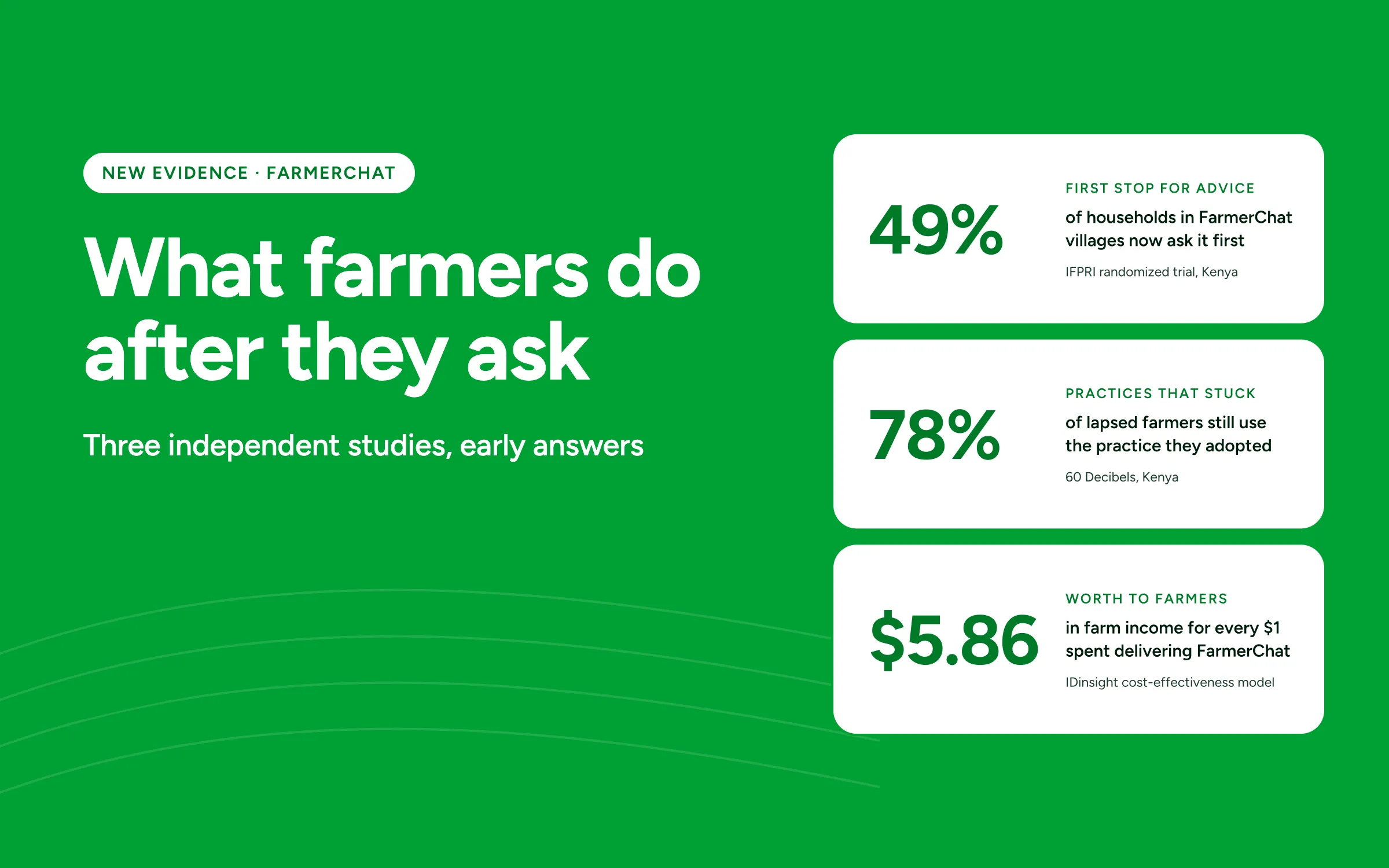
This summer's midline, eight months in, looked at the first steps. The clearest finding is where farmers now turn for help. Nearly half of households in FarmerChat villages (49%) name it as their first stop for a farming question. In the comparison villages, government extension is the most common first stop at 32%; in FarmerChat villages, that fell to 18%.
Farmers haven't abandoned extension agents or neighbors. They just check FarmerChat first.
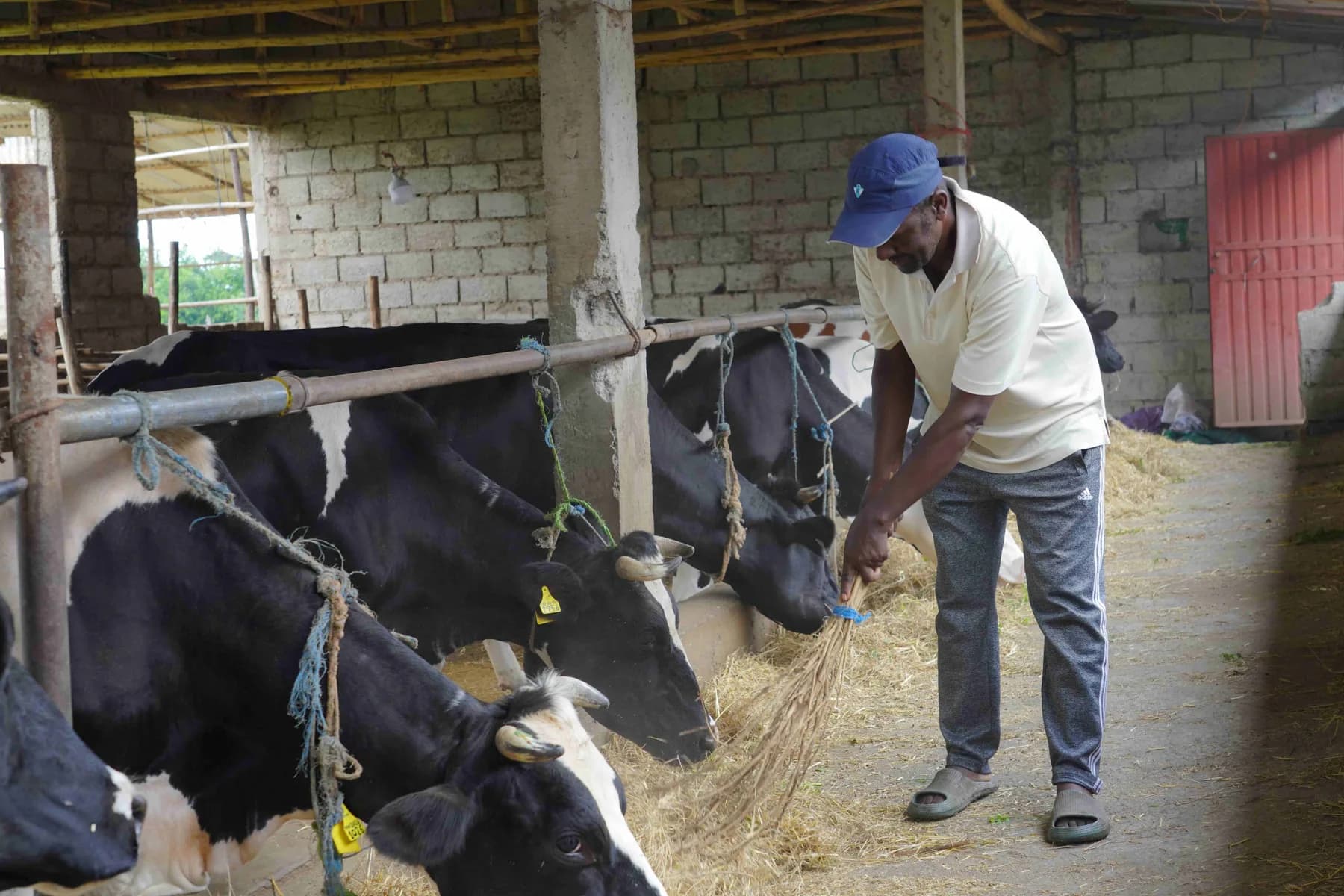
Practices are starting to shift too, led by livestock. Farmers in FarmerChat villages were more likely to use artificial insemination and add improved dairy breeds. It's early, and the next survey rounds will show whether these changes build.
The trial also tells us something practical about getting farmers started. After a single onboarding session, 33% of households had used FarmerChat in the past three months. Advanced training raised that to 52%, and peer sessions with experienced users raised it to 44%. A bit of human support goes a long way.
Source: IFPRI, Kenya Lean Midline Results, August 2026.
The changes stuck
Adopting a new practice is one thing. Keeping it is another. In June and July, 60 Decibels went back to Kenyan farmers it first interviewed in 2025 to find out what had lasted.
The answer surprised us: the practices stuck, even after farmers stopped using the app. Among farmers who had lapsed, 78% still use the practice they adopted because of FarmerChat, and 97% plan to keep using it. Most have kept making decisions based on its advice, especially about livestock, pests and disease, and planting.
Farmers who harvested saw results. 90% of active users had applied FarmerChat advice in the past year. Every one of those who had since harvested reported higher production, 79% said it increased "very much," and 92% reported higher earnings. Importantly, 89% said the gain came from the same land or herd, which points to farming better rather than farming more.
Some farmers are earning in entirely new ways. 59% of active users say FarmerChat helped them start a new source of income, mostly services like spraying, planting, and transport for their neighbors. Among farmers who have used it for two years or more, that rises to 65%.
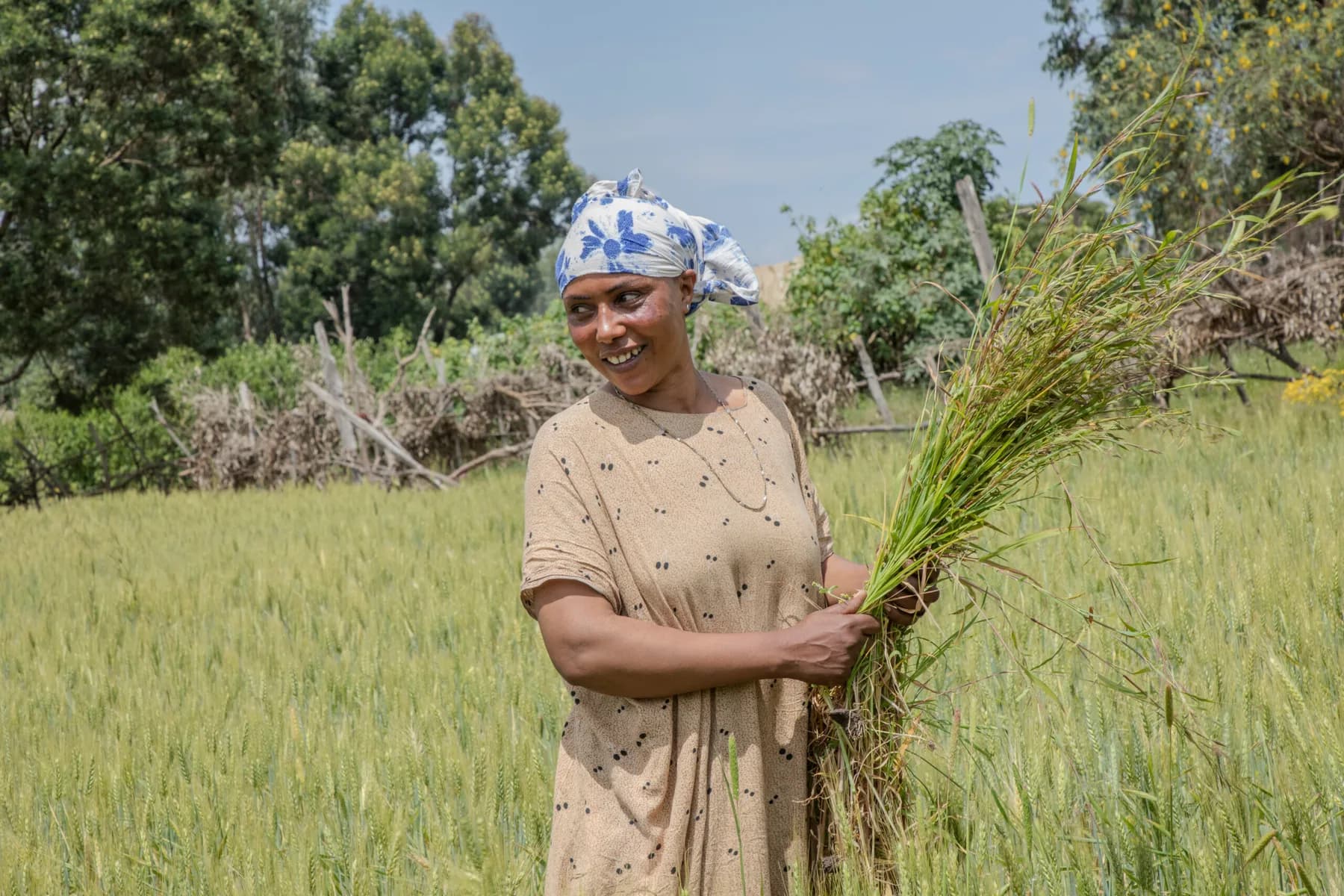
Mary Gichuru, a dairy, coffee, and maize farmer in Nyeri County, is one of them. After following FarmerChat's advice on mineral supplements and switching to maize silage, she stopped buying hay and says her two cows now produce about three times the milk she sold before. "I have followed that advice, I have been successful."
Checking our own numbers
Every month, FarmerChat asks active users whether they applied its advice. Between 68% and 88% say yes, depending on the country. Those are encouraging numbers, but they are self-reported, and we wanted to know how far to trust them. So we tested them two ways.
First, we checked what farmers said against what they asked. When 60 Decibels asked farmers to name the most important advice they had applied, it matched the answer against FarmerChat's query logs. For 66% of active users, the advice they named matched a question they had actually asked in the past year.
Second, we sent people to the farms. In Ethiopia, we commissioned an independent, in-person check of 392 farmers. Enumerators visited without knowing what half of them had reported in the app. The results are preliminary:
| Group | Farmers reporting adoption | Adoption verified in person |
|---|---|---|
| Crops | 89% | 78% |
| Livestock | 76% | 50% |
For crops, most of what farmers told us held up on the ground. For livestock, the gap was much wider. We also found that farmers who had never answered an in-app survey adopted at slightly higher rates than those who had, so our survey respondents aren't just the most enthusiastic users.
The takeaway is straightforward. Adoption is real and substantial, and our in-app figures should be read as upper bounds, especially for livestock. A second independent verification is now underway in India.
What it might be worth
If farmers adopt advice and keep it, what is that worth to them? IDinsight built a cost-effectiveness model for FarmerChat in Kenya to estimate an answer.
Its estimate: every $1 it costs to deliver FarmerChat returns about $5.86 in additional annual net farm income. That comes from a modeled $15.59 income gain per active farmer, against a delivery cost of $2.66 that includes FarmerChat's direct costs plus overhead.
IDinsight cost-effectiveness model, Kenya
The model is deliberately conservative. It values only the ten advice topics farmers ask about most, across maize, coffee, beans, cattle, and chickens, which make up just 16% of questions. Photo diagnoses, weather questions, and everything else count for nothing, and it covers only one season of benefit. It also halves reported adoption to account for what FarmerChat can take credit for.
This is a model, not yet a measurement. The income gains come from published studies of each practice, not from FarmerChat itself. We are sharing it openly because we want it challenged, and we expect peer review and new evidence to change the number.
What comes next
The biggest answers are still ahead. A second Kenya midline, after the main harvest this November, will add the first data on yields and input use. The endline in February and March 2027 will measure what matters most to farmers: income and food security. In Ethiopia, a separate trial of FarmerChat delivered by government extension agents to about 2,300 farmers runs its first phone survey in December.
We'll publish what we learn as it comes in, including the results that don't flatter us. If you work on evidence for digital agriculture and want to review the model or compare notes, we'd love to hear from you.
Read the Digital Green Quarterly Report, Q2 FY27 (July–September 2026) (PDF).